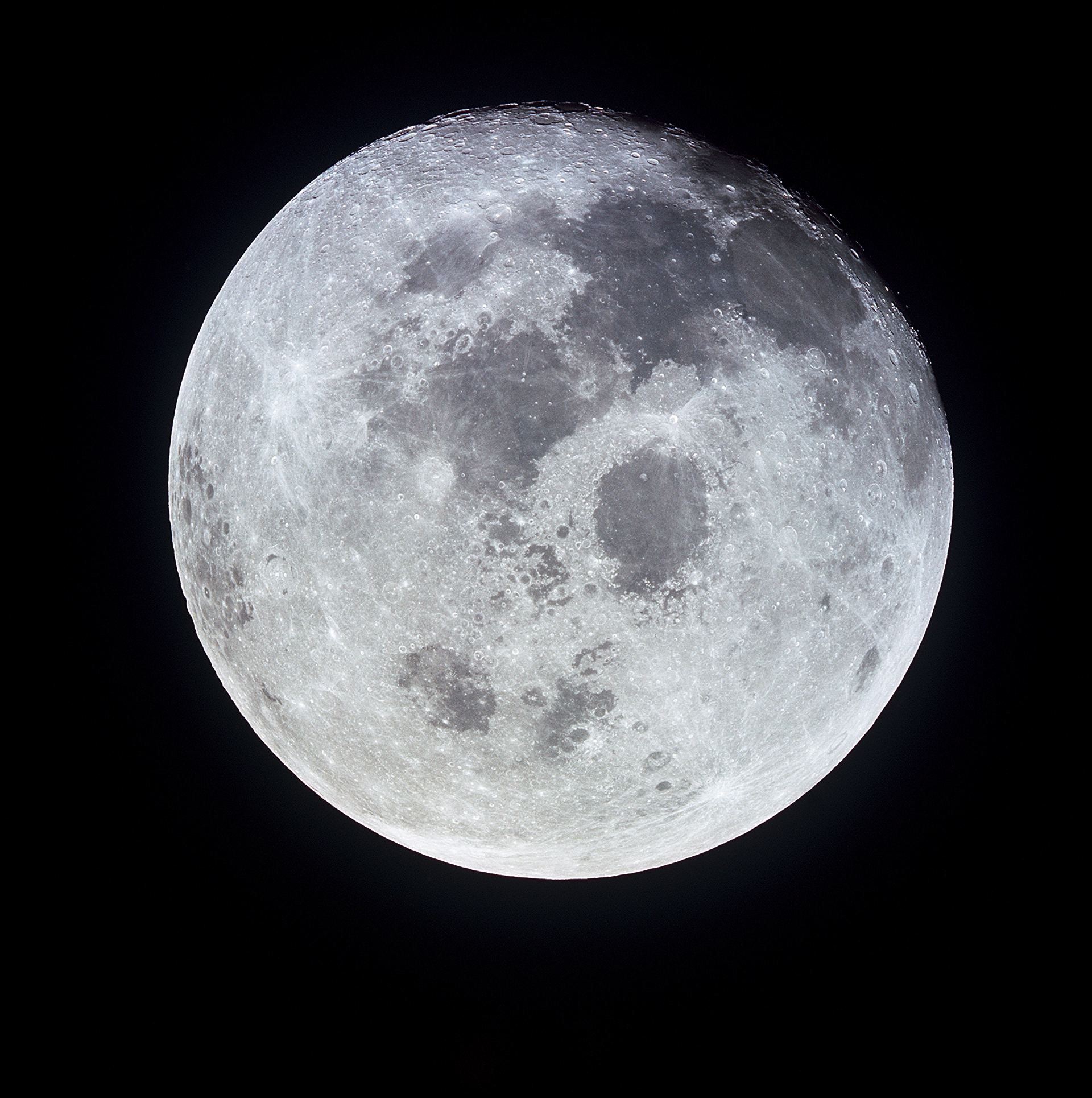
Detailed photograph of the Moon's cratered surface lit from the side

Fuel made beyond Earth.

Scroll

Astral Space mines water ice on the lunar surface, processes it, stores it and delivers it to our customers in cislunar space or beyond.

01 — Mission

The Moon holds the most valuable resource in the solar system: water

Permanently shadowed craters at the lunar south pole contain millions of tons of water ice. Split into hydrogen and oxygen, that water becomes valuable fuel...and it's already in space ready to be harvested.

02 — Technology

Autonomous mining, processing and delivery of fuel in cislunar space.

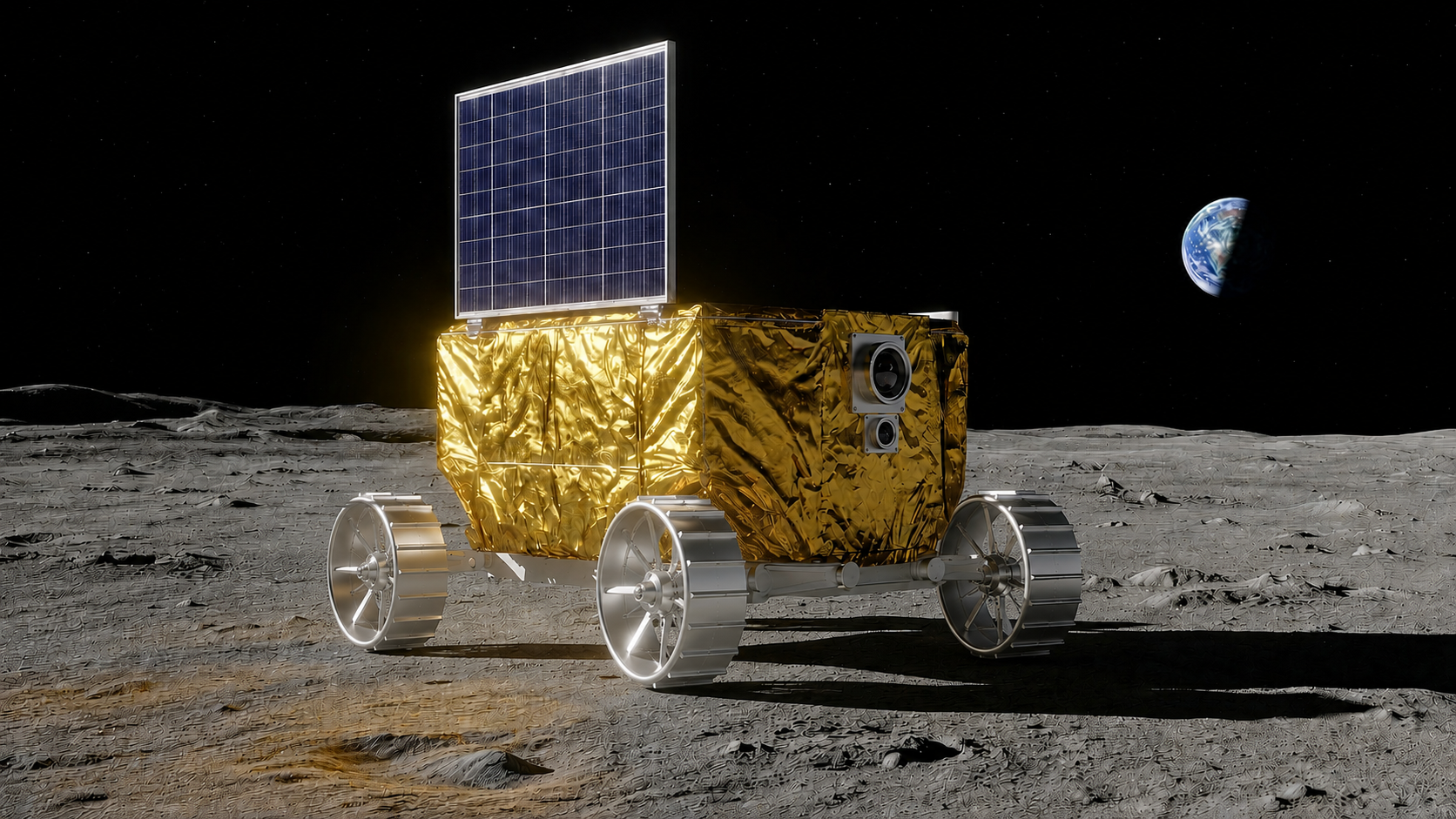
Our rovers are designed to operate inside permanently shadowed regions and survive lunar nights. From surface mapping to mining regolith, Astral's fleet covers the full range of lunar surface operations.

Rendering of the SCOUT lunar rover with gold-foil body, aluminum wheels, and a white solar panel with dark blue cells, on the lunar surface

03 — Process

From regolith to rocket fuel, in four steps.

01

Prospect

Autonomous rovers survey permanently shadowed regions, mapping ice concentration and lunar surface topology.

02

Extract

Rovers mine water rich regolith and separate the water using physical and thermal extraction methodologies.

03

Refine

Water is separated into hydrogen and oxygen through electrolysis, preparing it for delivery.

04

Deliver

Reusable tankers stage propellant in lunar depots, refueling missions in Earth’s orbit, to the Moon, Mars and further.

04 — Our Fleet

Three systems. One continuous supply chain.

SCOUT — Surface Cartography and Observation Utility Transporter

SCOUT

Surface Cartography and Observation Utility Transporter

Phase 1 — Prospect the lunar surface, mapping ice concentration and surface topology across permanently shadowed regions.

ARDA — Autonomous Resource Decomposition Apparatus

ARDA

Autonomous Resource Decomposition Apparatus

Phase 2 — Extract ice rich lunar regolith, process and refine it into usable propellant.

PORT — Propellant Operations and Refueling Terminal

PORT

Propellant Operations and Refueling Terminal

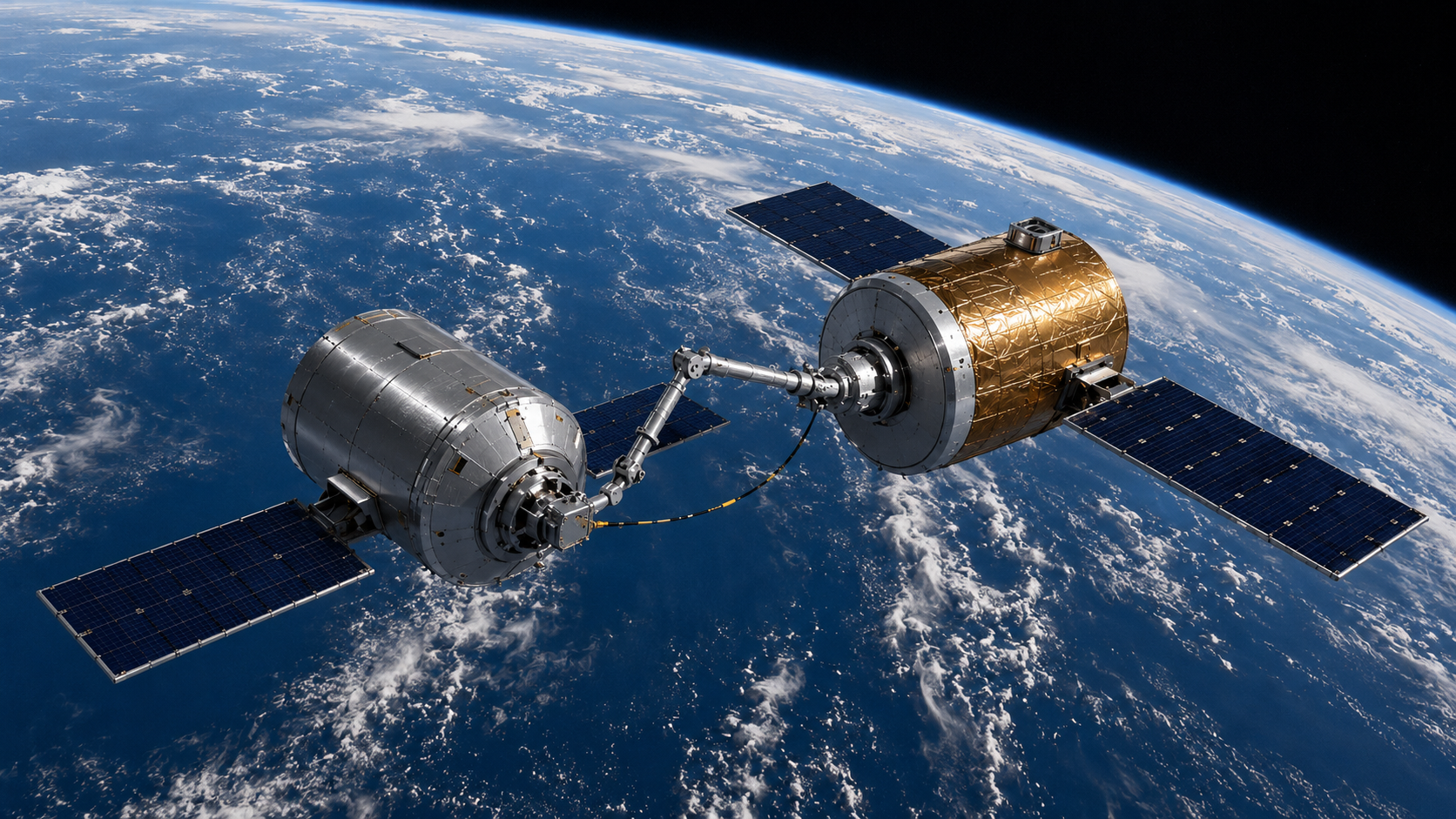
Phase 3 — Deliver fuel and other commodities in space, enabling reusability, mission life extension and a permanent human presence beyond Earth.

05 — More Than Just Fuel

We deliver more than just propellant.

Hydrogen Fuel Cells

Lunar nights can last up to 14 Earth days, requiring an alternative to solar panels and batteries for continued operations. Hydrogen fuel cells charge during the day and dispatch electricity through the night, providing a reliable power source for uninterrupted surface operations.

Crewed Habitat Resources

Humans need around 2.5 kg of water and 1 kg of oxygen per day. Sourcing both locally rather than relying on resupply missions makes a permanent lunar base significantly more sustainable.

Surface Data

High-resolution surface topology and resource maps from our rover fleet, available for mission planning and research.

Payload Space

Reserve payload capacity aboard our rovers for instruments, experiments, and technology demonstrations heading to the lunar surface.

06 — By the Numbers

Resources are there. The economics work.

600M+
Tons of estimated lunar water ice, per NASA research
10×
Potential cost reduction for missions enabled by in-space refueling
2027
Target for first rovers ready for deployment

The Moon is our key to interplanetary space exploration.

We're partnering with national space agencies, commercial launch providers, and deep-space mission planners. If you're building for space, tell us how Astral can support your mission.

Get in Touch